Muscle Knots: The Silent Sore Spots You Need to Know About
Muscle knots. Those pesky, painful spots that seem to show up at the most inconvenient times, usually just when you need a break or some relaxation. They’re more than just a nuisance – they can disrupt your day and leave you feeling stiff and sore. But what exactly are muscle knots, what causes them, and how can you get rid of them? Let’s break it down.
What Are Muscle Knots?
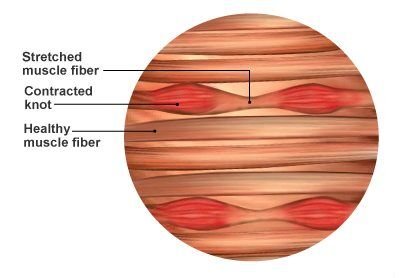
Muscle knots, or myofascial trigger points as they’re scientifically known, are tight, contracted bands of muscle fibres that form in a specific area of your muscle. Though the pain can feel like a twist or a kink in the muscle, what’s actually happening is that the muscle fibres are compressed into a small, tight ball, often no bigger than a pea. These knots can develop in any muscle, but they’re most common in the upper back, shoulders, and neck – areas prone to tension and stress.
While these knots aren’t typically dangerous, they can lead to discomfort and, in some cases, even chronic pain conditions like myofascial pain syndrome. The sensation? It’s usually sore to the touch, but sometimes it can feel like a little ball or a band under your skin, a subtle reminder that your muscles are in distress.
What Causes Muscle Knots?
While a variety of factors can trigger these painful spots, most muscle knots are the result of overworked muscles or inactivity. Here are some common culprits:
- Repetitive Motion or Overuse: Whether you’re lifting weights at the gym or typing away at your desk all day, repetitive motion can strain certain muscle fibres, especially the smaller “Cinderella fibres” (those that do the majority of the work while the larger fibres take it easy). Over time, these fibres can become damaged, leading to the formation of a muscle knot.
- Postural Problems or Poor Habits: Think slouching at your desk or sitting in one position for too long. Poor posture and inactivity can cause muscle fibres to stick together, eventually leading to knots.
- Stress and Anxiety: When you’re stressed, your body tenses up, which can lead to muscle tightness and trigger points, particularly in your shoulders, neck, and back.
- Dehydration and Poor Nutrition: Your muscles need water and the right nutrients to function properly. Without adequate hydration and a balanced diet, muscle spasms and knots become more likely.
- Lack of Sleep and Fatigue: When you’re sleep-deprived, your body doesn’t have enough time to repair itself, which can increase the likelihood of muscle knots.
- Injury or Joint Problems: Any injury or imbalance in the body can put excess pressure on certain muscles, leading to trigger points.
What Does a Muscle Knot Look Like?
Muscle knots are generally invisible to the eye because they’re located beneath the skin. But if you were to peek inside, you’d likely see small raised bumps or tight bands of muscle. When you touch them, they often feel like a hard, tense spot, almost like a ball or an egg lodged inside your muscle. If you’re experiencing severe discomfort, you might even feel the tightness radiating out to other parts of your body.
How to Treat Muscle Knots: Your Guide to Relief
While muscle knots may not always require professional treatment, they can certainly put a damper on your day. Luckily, there are several effective ways to relieve the tension and get back to feeling your best.
- Hydrate, Hydrate, Hydrate: Water is key to keeping your muscles healthy. Dehydration can lead to cramps and spasms, making muscle knots even worse. Drinking water helps flush out toxins and aids in muscle recovery.
- Stretch It Out: Regular stretching is essential to avoid muscle tightness. If you’ve been stuck in one position for too long, gentle stretching can help release tension and prevent trigger points from forming. Try adding a short stretching routine to your bedtime ritual to keep your muscles loose while you sleep.
- Move Your Muscles: It may sound counterintuitive, but movement is essential for healing. Moving your muscles (even if it’s just gentle movement) can bring fresh blood flow to the area, helping to release the knot. So, get your heart rate up and get your muscles moving.
- Heat vs. Ice: Both heat and ice can help with muscle pain. Ice is great for reducing inflammation, while heat helps to relax muscles and increase circulation. Alternate between the two to see what works best for you. If the knot is chronic, heat might be your best friend, especially in the form of a warm bath or a heated towel.
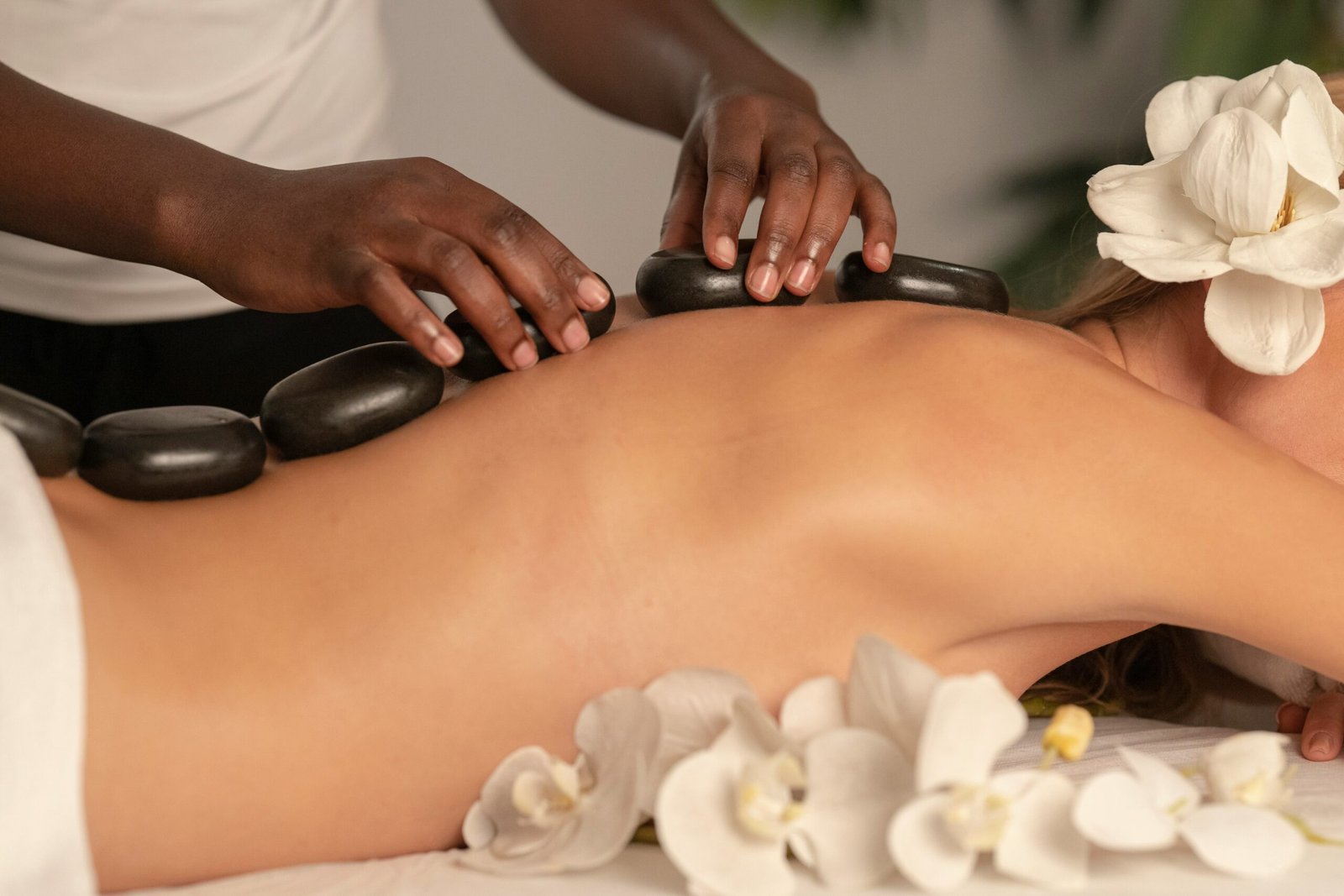
- Massage: Trigger point massage can work wonders for releasing muscle knots. You can either use a foam roller or a massage ball to target the knot and apply gentle, sustained pressure. A professional massage therapist can also help, though be cautious of deep tissue massage, which may aggravate the knot if done too aggressively.
- Physical Therapy or Trigger Point Injections: If your muscle knot doesn’t improve with at-home remedies, consider seeing a physical therapist. They can teach you how to strengthen your muscles and prevent future knots. For more stubborn knots, your doctor might suggest trigger point injections or dry needling to release the tension.
When to Seek Professional Help
While most muscle knots can be managed with at-home care, there are times when it’s important to consult with a healthcare professional. If you experience:
- Persistent muscle pain that doesn’t improve
- Pain that keeps you awake at night
- Redness, heat, or drainage from the muscle
…it’s time to see a doctor. They may recommend additional treatments, including medications, physical therapy, or in some cases, specialized therapies like ultrasound or laser therapy.
The Takeaway: Keep Moving, Stay Hydrated, and Don’t Forget to Stretch
Muscle knots are a common – but often misunderstood – problem. They can be caused by anything from stress to poor posture to overexertion. The good news? You can usually treat them at home with a few simple steps: hydration, stretching, heat or ice therapy, and a little movement. However, if your muscle knots persist or cause serious discomfort, don’t hesitate to reach out to a healthcare professional for further guidance.
Remember, your muscles are your body’s workhorses, and keeping them happy and healthy is key to staying pain-free and active!